

Fat Is Not The Enemy
by John Diaz Personal Trainer
According to government sources the average American consumes 37% of their calories in the form of fat, considering the American Heart Association recommends no more than 30% we have some way to go. Take into consideration however, the different types of dietary fat, there is saturated fat, monounsaturated fat, polyunsaturated fat and trans fat. Not all these fats should be viewed with the same disdain.
The Wrong Choices
Saturated fats are found in animal products like meat, dairy, eggs, poultry, coconut and palm oil and are generally solid at room temperature. They are known to increase the chances of developing heart disease, diabetes and cancer. Saturated fats also raise cholesterol, particularly LDL or bad cholesterol. Limit intake to less than 10% of total calories.
The worst of all fats is “trans fat”. Trans fats start out as unsaturated fat that through a chemical process (adding hydrogen atoms) becomes a type of saturated fat, essentially turning oil into a solid at room temperature. The hydrogenation actually changes the shape of the molecule making it more difficult for the body to eliminate. Since it stays in the blood longer it greatly increases LDL cholesterol, blood plaque and potential heart disease. Limit to less than 1% of calories or about 2 grams in an 1800 calories per day diet.
The Right Choices
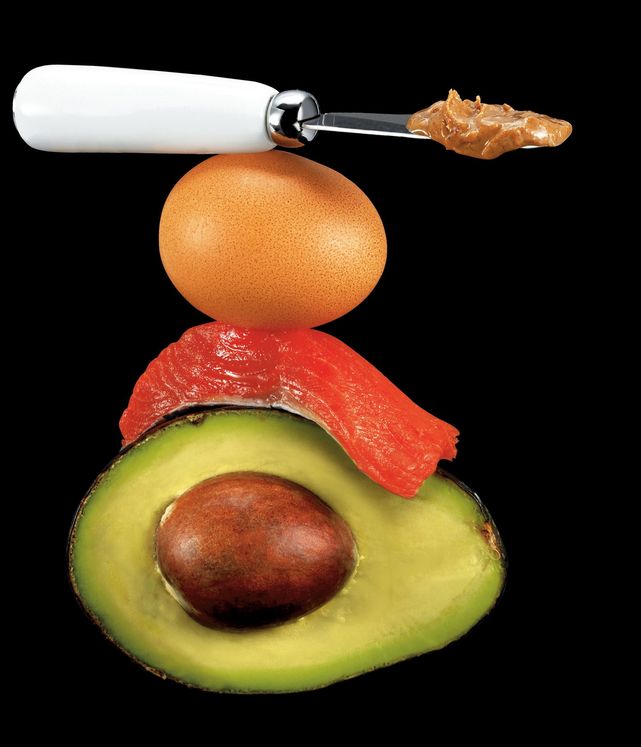
Monounsaturated fats and polyunsaturated fats are abundant one or the other in vegetable oils, seeds, nuts, avocado, olive oil, and canola oil. Both of these are considered healthy fats as they lower cholesterol, clear from the blood easier, and have heart protective benefits. Fat is integral to body functions such as vitamin utilization, manufacture of hormones, making healthy cells, repair and growth of skin, hair, and nervous tissue and for energy.
One particular polyunsaturated fat “omega 3” has garnered much attention lately for its ability to lower cholesterol, and triglycerides. Omega 3’s are found in salmon, tuna, flax seeds and walnuts. Recent evidence shows it offers even more benefits by reducing inflammation, easing arthritis symptoms, protecting cognitive brain function, and lowering the incidence of stroke and heart attack.
At a whopping 9 calories per gram fat intake should still be limited. Obesity is fast becoming the number preventable cause of death. Remember to keep total fat consumption to no more than 30-40% of daily caloric intake.