

Meeting the Unique Fitness Needs of Older Adults—Evidence-Based Strategies for Strength, Health, and Longevity
Introduction: The Importance of Fitness for Seniors
Staying active and prioritizing fitness are essential for healthy aging. As we grow older, our bodies undergo natural changes—muscle mass decreases, bones lose density, and balance can become more challenging. However, engaging in regular physical activity, eating well, and getting quality sleep can help seniors maintain independence, prevent injuries, and enjoy a higher quality of life. This article explores the specific exercise and nutrition needs of seniors, practical adaptations for safe and effective workouts, and highlights key scientific findings that support these recommendations.
Physical Fitness Needs for Seniors
Aging does not mean giving up on being strong and active. In fact, targeted exercise can help slow or even reverse some age-related declines. Seniors benefit from focusing on four key areas: strength, bone density, balance, and muscle maintenance.
·Strength: Keeping muscles strong is vital for daily activities, from carrying groceries to rising from a chair. Resistance exercises help combat age-related muscle loss (sarcopenia), make movement easier, and reduce the risk of falls.
Bone Density: After age 50, bone mass declines more rapidly, especially in women. Weight-bearing and resistance exercises stimulate bones to stay strong, lowering the risk of osteoporosis and fractures.
Balance: Good balance prevents falls, a major concern for seniors. Exercises that challenge stability, such as standing on one leg or gentle yoga, are important for confidence and safety
Muscle Maintenance: Maintaining lean muscle mass supports metabolism, helps control blood sugar, and improves overall function. Regular movement and resistance training are key to preserving muscle.
Nutritional Requirements: Protein, Hydration, and Sleep
Nutrition plays a critical role in supporting physical health and recovery for seniors. Aging bodies process nutrients differently, increasing the need for some essentials while reducing calorie requirements overall.
Increased Protein Intake: Protein is crucial for building and repairing muscles. Studies recommend that older adults consume more protein than younger people, aiming for about 1.2to 1.6 grams of protein per kilogram of body weight per day. The fundamental step of tissue building in the body is known as protein synthesis. When you are very young about 5 grams of protein in a meal is enough to stimulate protein synthesis, but as we age the amount of protein required increases to about 30 grams in a meal by your 50’s. Good sources include lean meats, eggs, dairy, legumes, and fish. A 2013 review in the journal Current Opinion in Clinical Nutrition and Metabolic Care found that higher protein intake preserves muscle mass and strength in older adults.
Hydration: Seniors may feel less thirsty and be at higher risk of dehydration. Drinking water regularly—even when not thirsty—supports digestion, joint health, and mental clarity.
Optimal Sleep: Recovery and muscle growth happen during sleep. Adults over 65 should aim for at least 7–8 hours of quality sleep per night. Poor sleep is linked to increased risk of falls and slower recovery. The National Sleep Foundation recommends consistent sleep schedules and a calming bedtime routine to support good rest.
Exercise Adaptations for Seniors
While the benefits of exercise are clear, seniors may need to adapt workouts to minimize injury risk and accommodate common health conditions such as arthritis, osteoporosis, or limited mobility. The following adaptations make fitness more accessible and safer:
Minimizing Joint Loading: Exercises that reduce impact, like walking, swimming, or cycling, are gentler on aging joints. Avoiding high-impact activities can help prevent pain and injury.
Using Resistance Bands: Resistance bands offer a safe, effective way to build strength without heavy weights. They provide adjustable resistance, are easy on the joints, and can be used for both upper and lower body exercises.
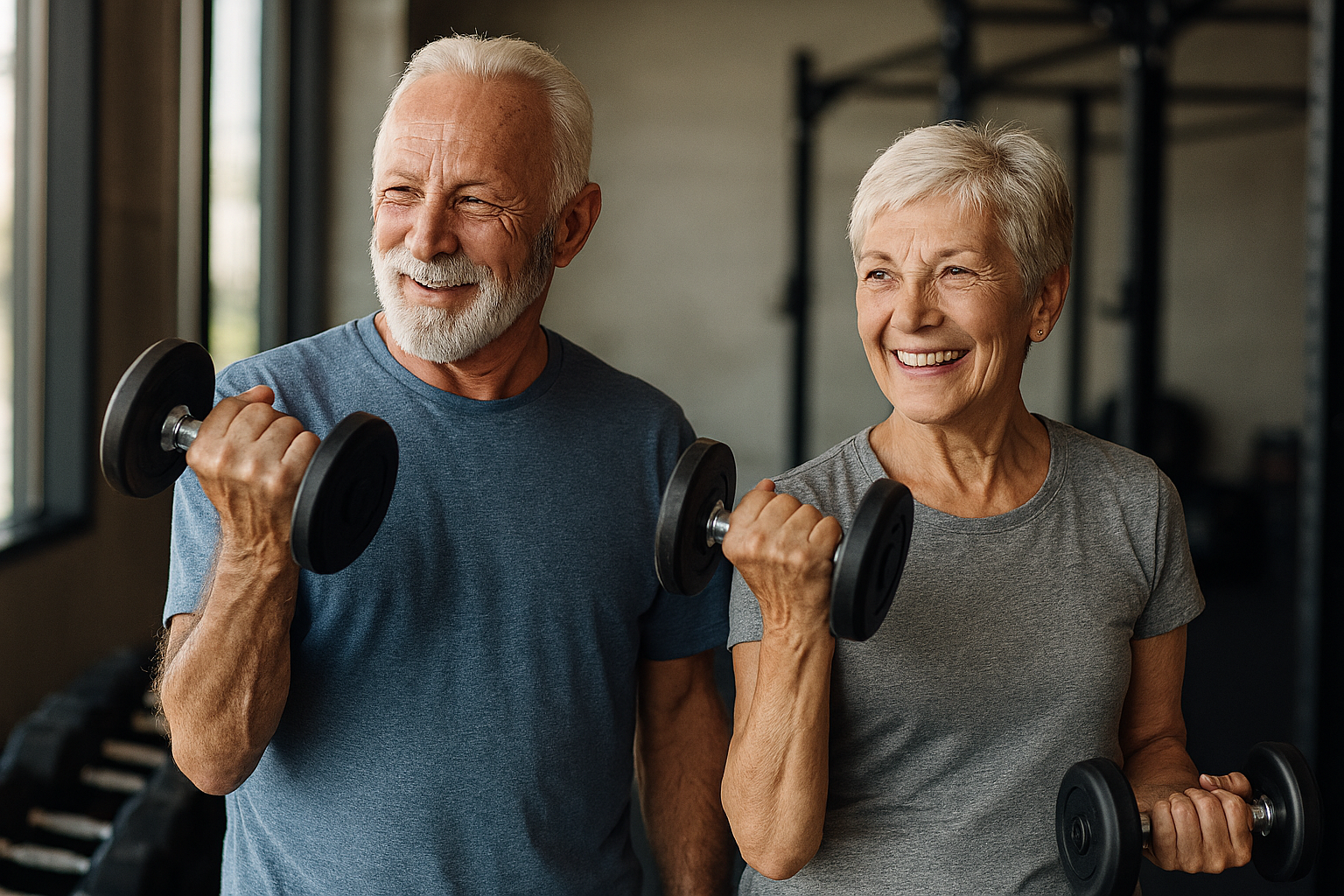
Seated Exercises: Many strength and flexibility exercises can be performed sitting down. This is ideal for those with balance issues or limited mobility. Seated marches, arm curls with light weights, or stretching routines are excellent options.
Adjusting Session Length: Shorter, more frequent activity sessions (10–20 minutes at a time, several days a week) are often better tolerated than longer workouts. The key is consistency, not duration.
With proper instruction heavy lifting has exhibited in studies with 90-year-olds to yield even greater strength gains and proved to be safe. The test subjects were able to gain muscle and strength at the same rate as younger people.
Supporting Studies: Evidence-Based Benefits
·Strength Training Improves Function and Reduces Falls: A landmark study published in JAMA (1994) found that seniors who participated in progressive resistance training significantly improved muscle strength and walking ability, and reduced fall risk (Fiatarone et al., 1994).
Bone Density and Weight-Bearing Exercise: Research in the Journal of Bone and Mineral Research (2017) showed that older women who performed high-intensity resistance and impact training maintained or increased bone mineral density, reducing osteoporosis risk (Watson et al., 2017).
Protein Intake and Muscle Health: A 2013 review noted that higher dietary protein helps maintain muscle mass and function in older adults, especially when paired with resistance exercise (Bauer et al., 2013).
Balance Training Reduces Falls: The New England Journal of Medicine (2010) published a study showing that a structured exercise program focusing on balance and strength cut falls by 35% over two years (Sherrington et al., 2010).
Sleep and Recovery: The National Sleep Foundation reports that older adults who get adequate sleep have better physical function, less pain, and improved mood (National Sleep Foundation).
Practical Tips: How Seniors Can Start and Maintain a Fitness Routine
1. Consult with a Healthcare Provider: Before beginning any new fitness program, check with your doctor, especially if you have chronic conditions or take medications.
2. Set Realistic, Enjoyable Goals: Choose activities you enjoy, whether it’s walking, dancing, gardening, or chair yoga. Start small and gradually build up.
3. Incorporate Variety: Mix strength, balance, flexibility, and endurance activities for a well-rounded program. Ideally consult a fitness professional with experience in fitness for seniors.
4. Listen to Your Body: If something hurts, stop. Adapt movements as needed and prioritize safety over intensity.
5. Stay Social: Exercise with friends, join classes, or participate in community programs to boost motivation and make fitness fun.
6. Track Progress: Keep a simple journal to log activities, note improvements, and celebrate milestones.
7. Prioritize Nutrition and Sleep: Pair your activity with healthy meals, enough protein, plenty of water, and regular sleep.
Conclusion: The Lasting Benefits of Fitness for Seniors
Regular exercise, good nutrition, and adequate sleep are the foundation for healthy aging. By focusing on strength, balance, and bone health, and adapting workouts to individual needs, seniors can stay active, independent, and vibrant. The research is clear: it’s never too late to start, and even small steps lead to big rewards. Whether you are a senior, a caregiver, or a fitness professional, supporting older adults in their fitness journey is one of the best investments in lifelong well-being.
References:
Fiatarone MA, et al. "Exercise Training and Nutritional Supplementation for Physical Frailty in Very Elderly People." JAMA, 1994.
Watson SL, et al. "High-Intensity Resistance and Impact Training Improves Bone Mineral Density and Physical Function in Postmenopausal Women with Osteopenia and Osteoporosis." J Bone Miner Res, 2017.
Bauer J, et al. "Protein requirements and muscle mass: What do we really know?" Curr Opin Clin Nutr Metab Care, 2013.
Sherrington C, et al. "Exercise to prevent falls in older adults: an updated meta-analysis and best practice recommendations." New England Journal of Medicine, 2010.
National Sleep Foundation. "Aging and Sleep." Accessed 2026.